MyChallenges
Things My Brain Experiences Differently
After a brain fever in 2019,
Some parts of my brain started experiencing the world differently.
These changes aren’t always visible or obvious — and most people never notice them.
Most people know I had brain fever and that it affected my memory 🧠🗂️. Many assume everything returned to normal after a few months.
But memory loss is only one part of my experience.
Only my parents and a few close friends 👪🤝 know I’ve been dealing other challenges too. Here are those ⬇️👇
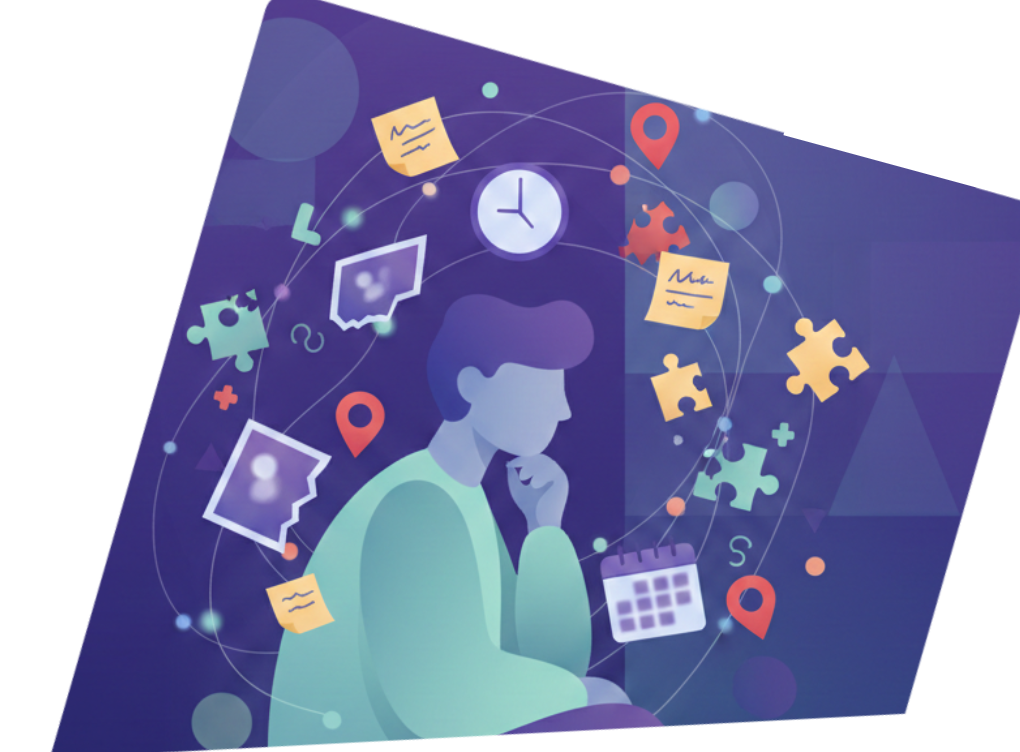
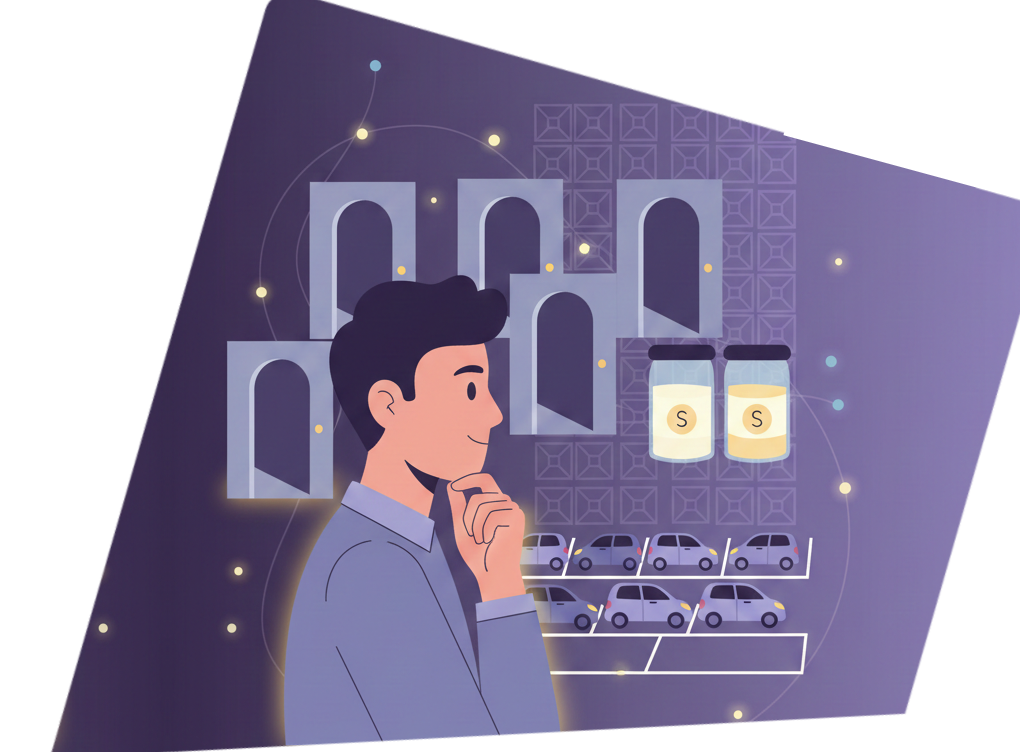
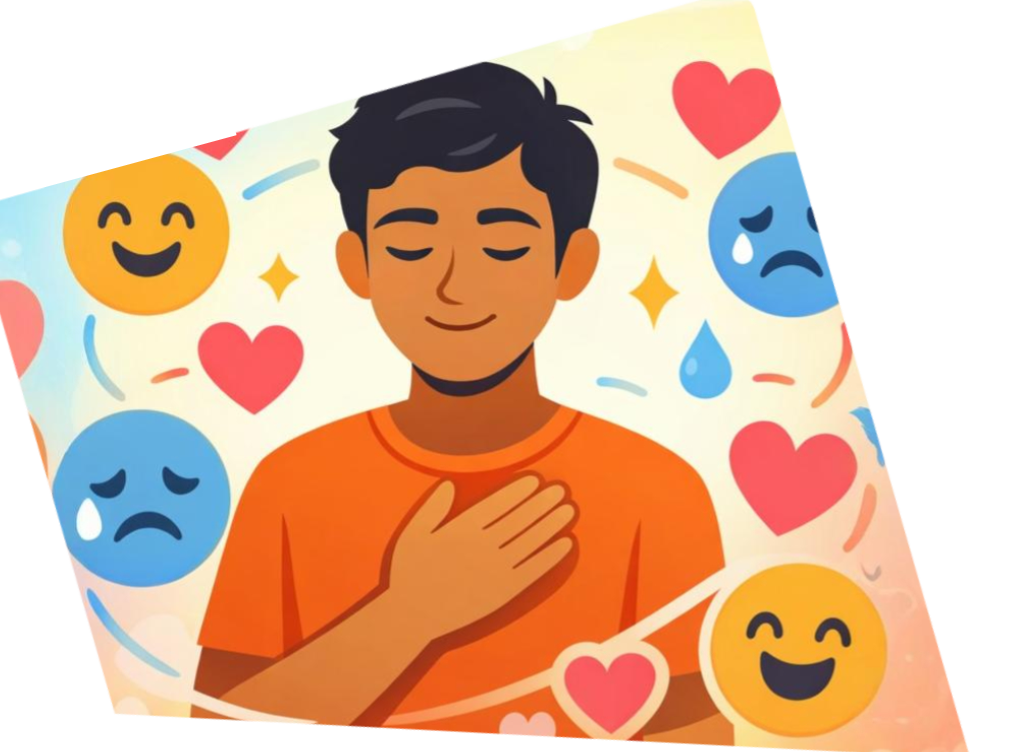
🧠✨ Not many people know the full story behind how my brain works now.
👀🔍 Curious? The small examples below will give you a glimpse into how I experience the world 🌍.
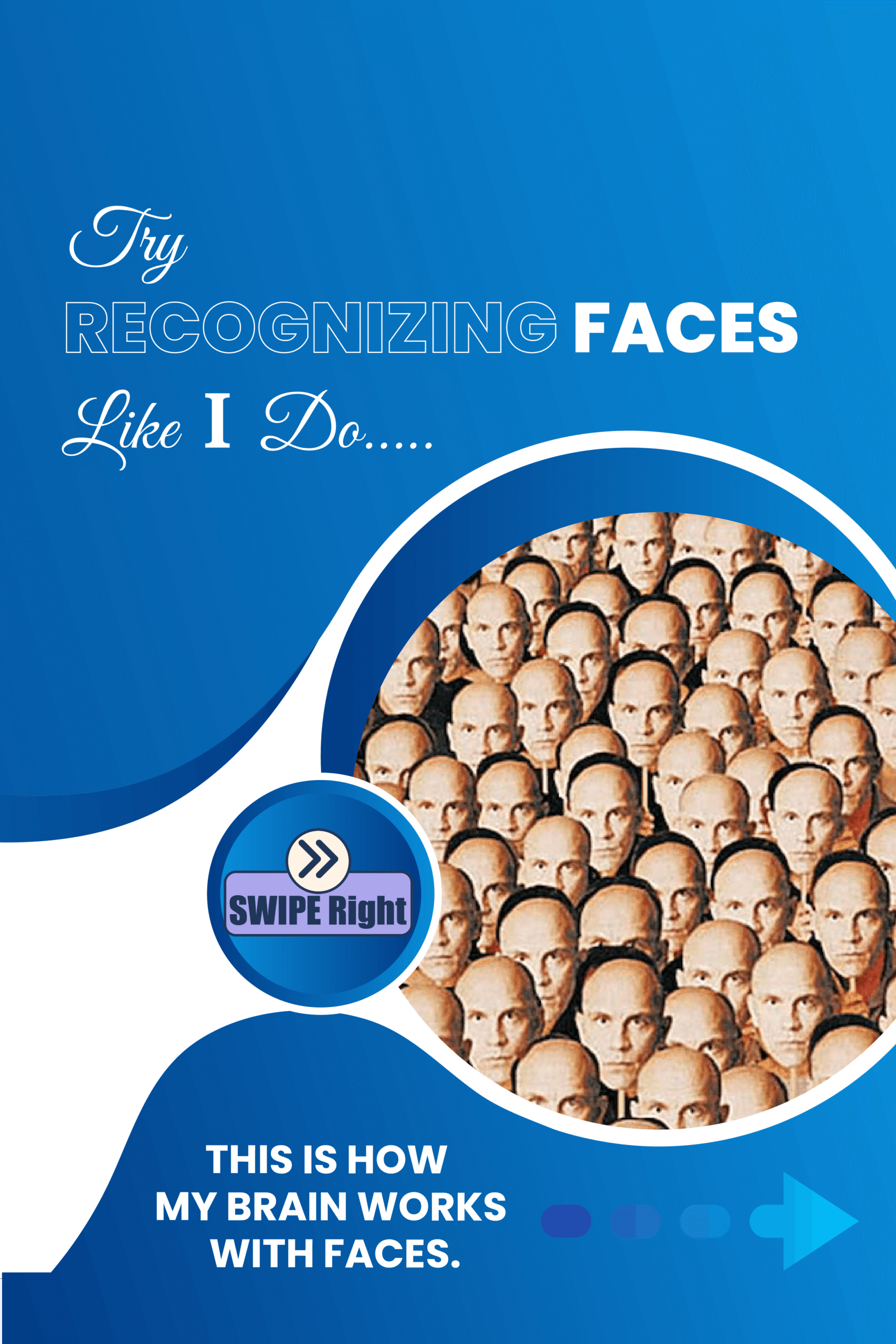
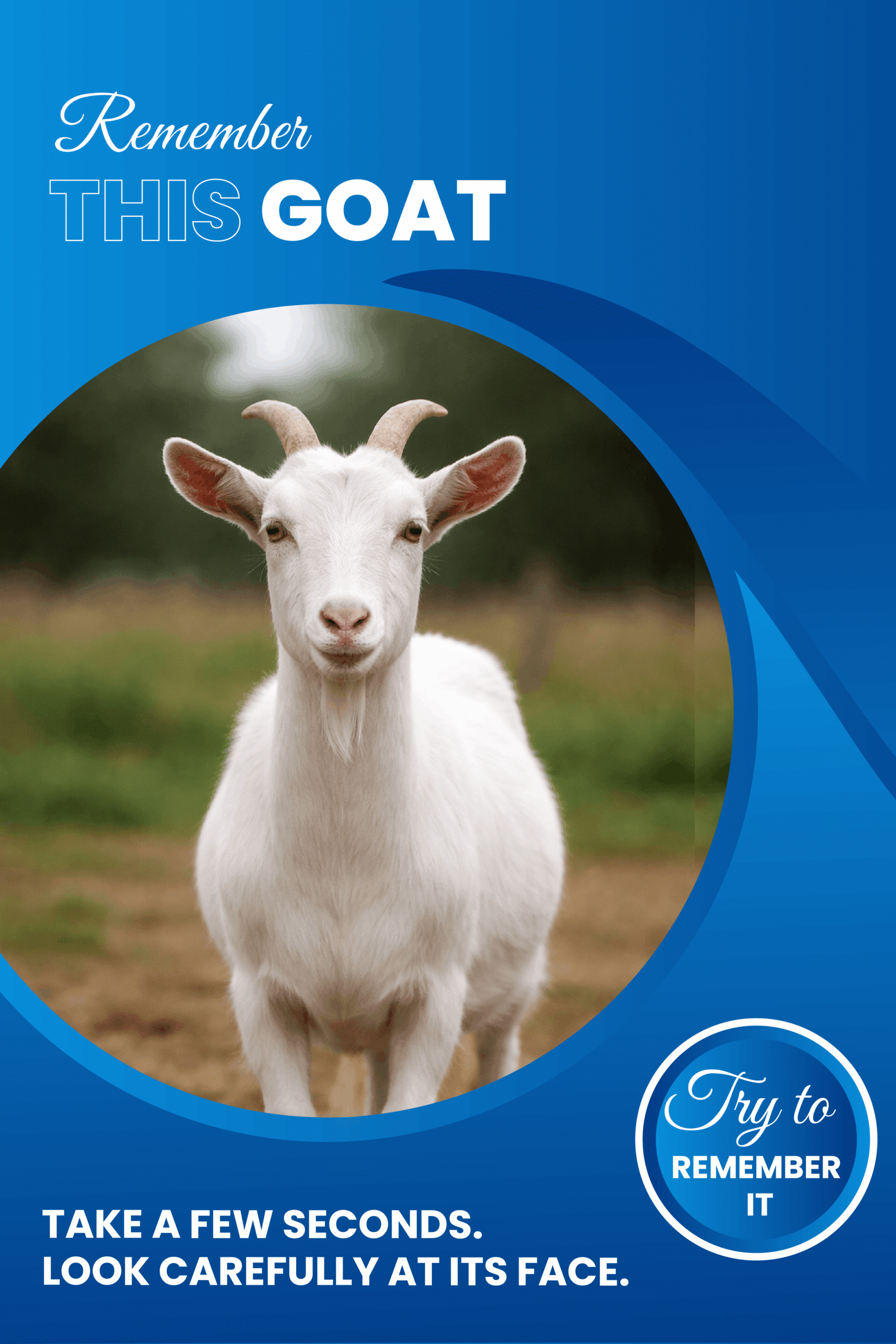
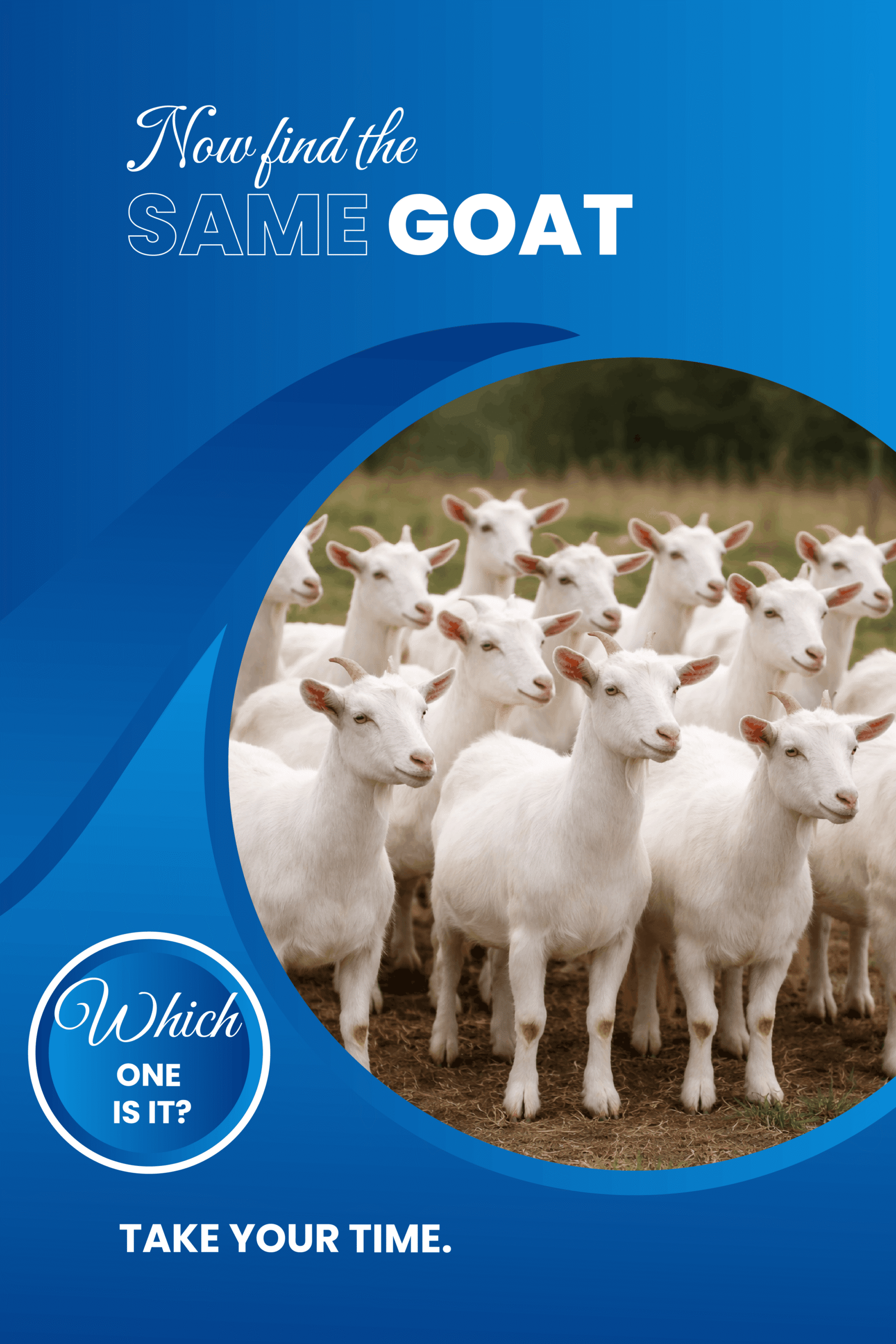
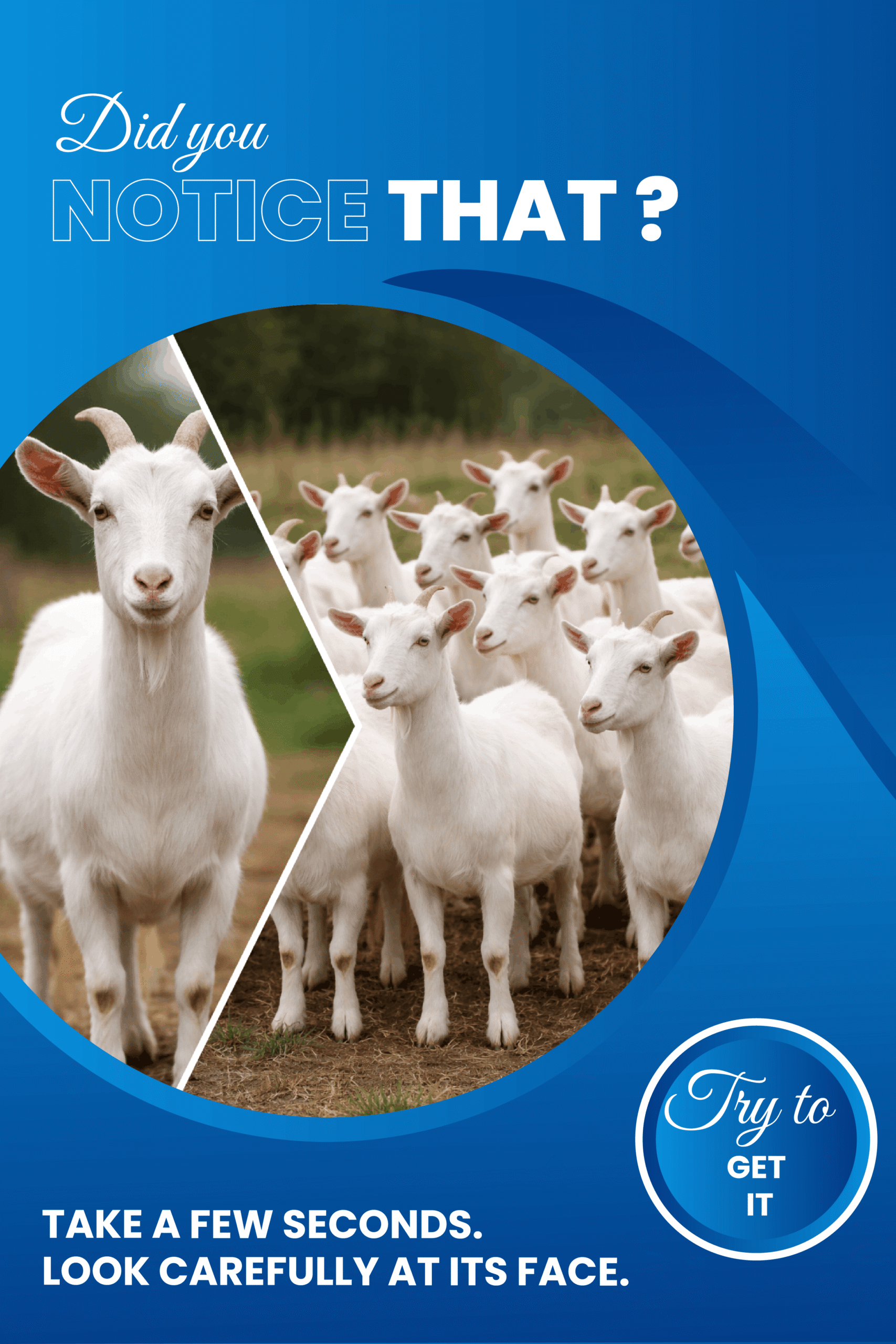
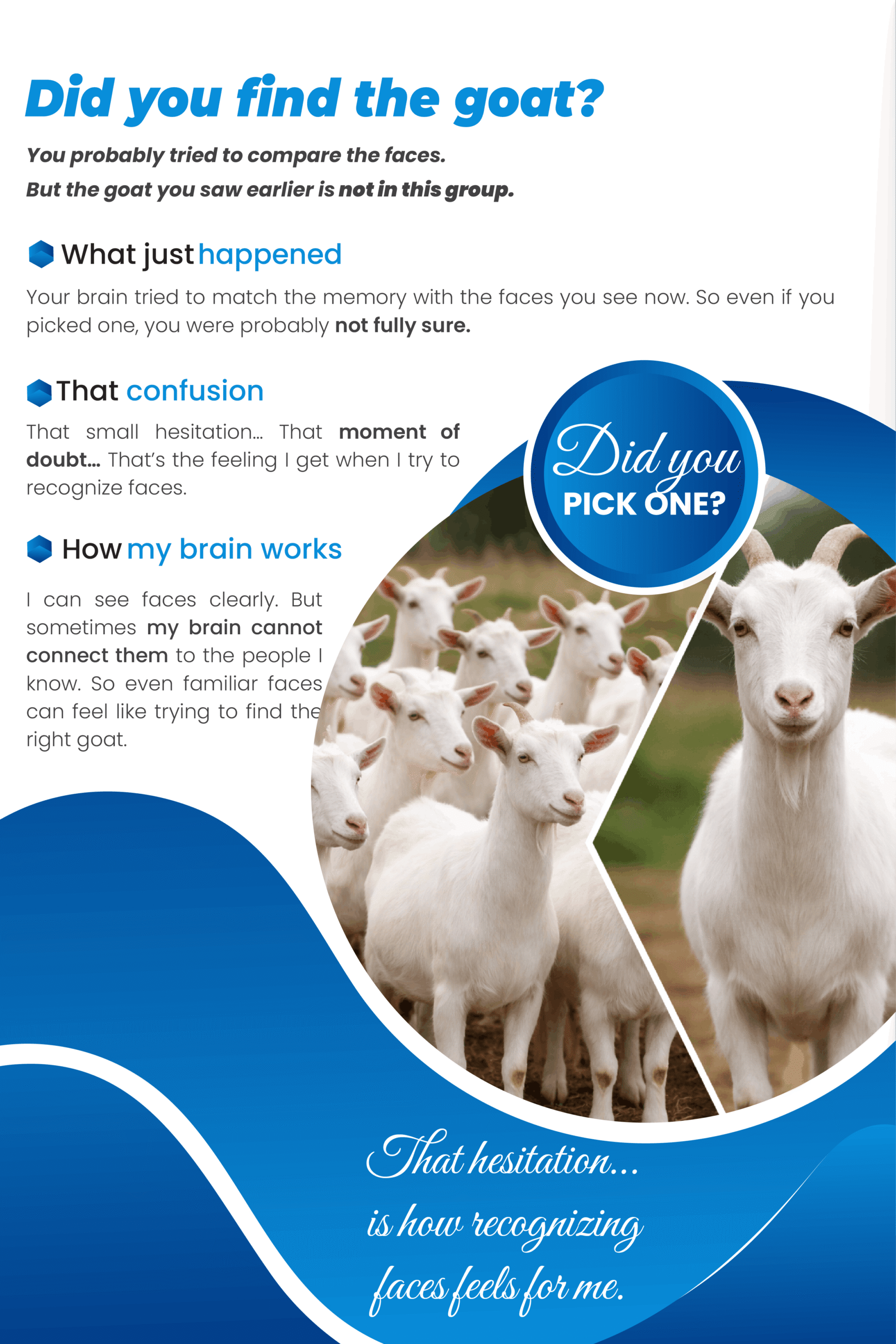
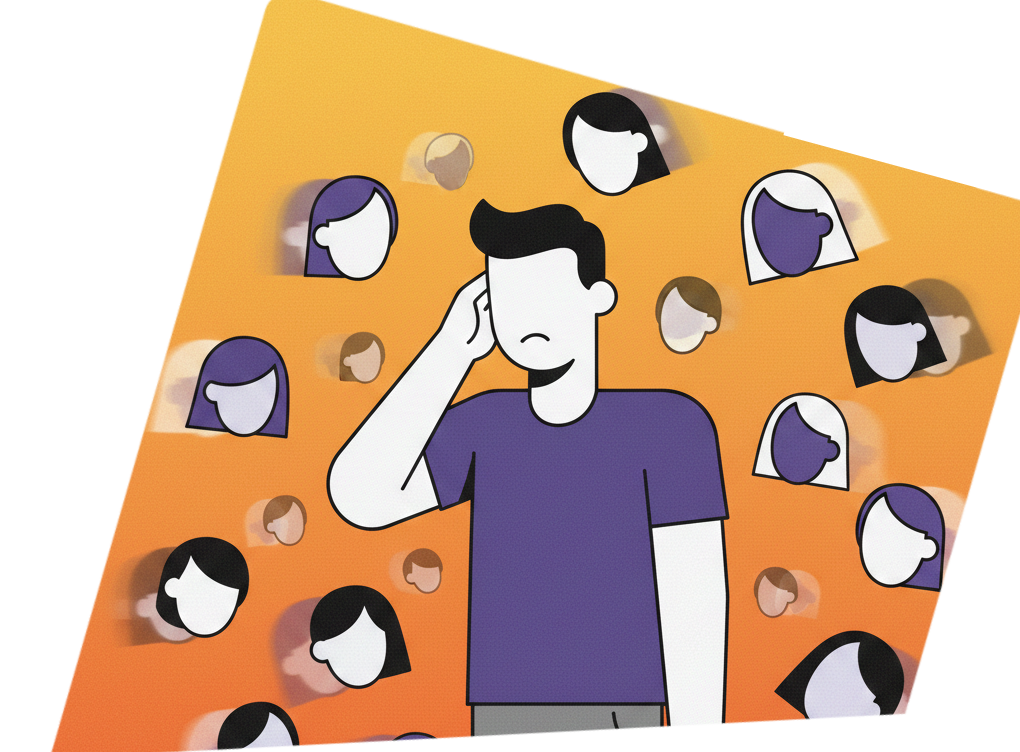
1. Face blindness
😊☺👀🧠
🧠 Difficulty recognising faces 👤❓
—even familiar ones (friends, relatives, colleagues) 😕
Around 2–3% of people worldwide have some level of face blindness.
Interesting Facts:
• Some people with severe face blindness cannot recognize their own face in a mirror or photos.
• Others may recognize only a few very familiar faces.
• Many people rely on other clues such as:
voice, hairstyle, walking style, clothing, or the place where they usually meet someone.

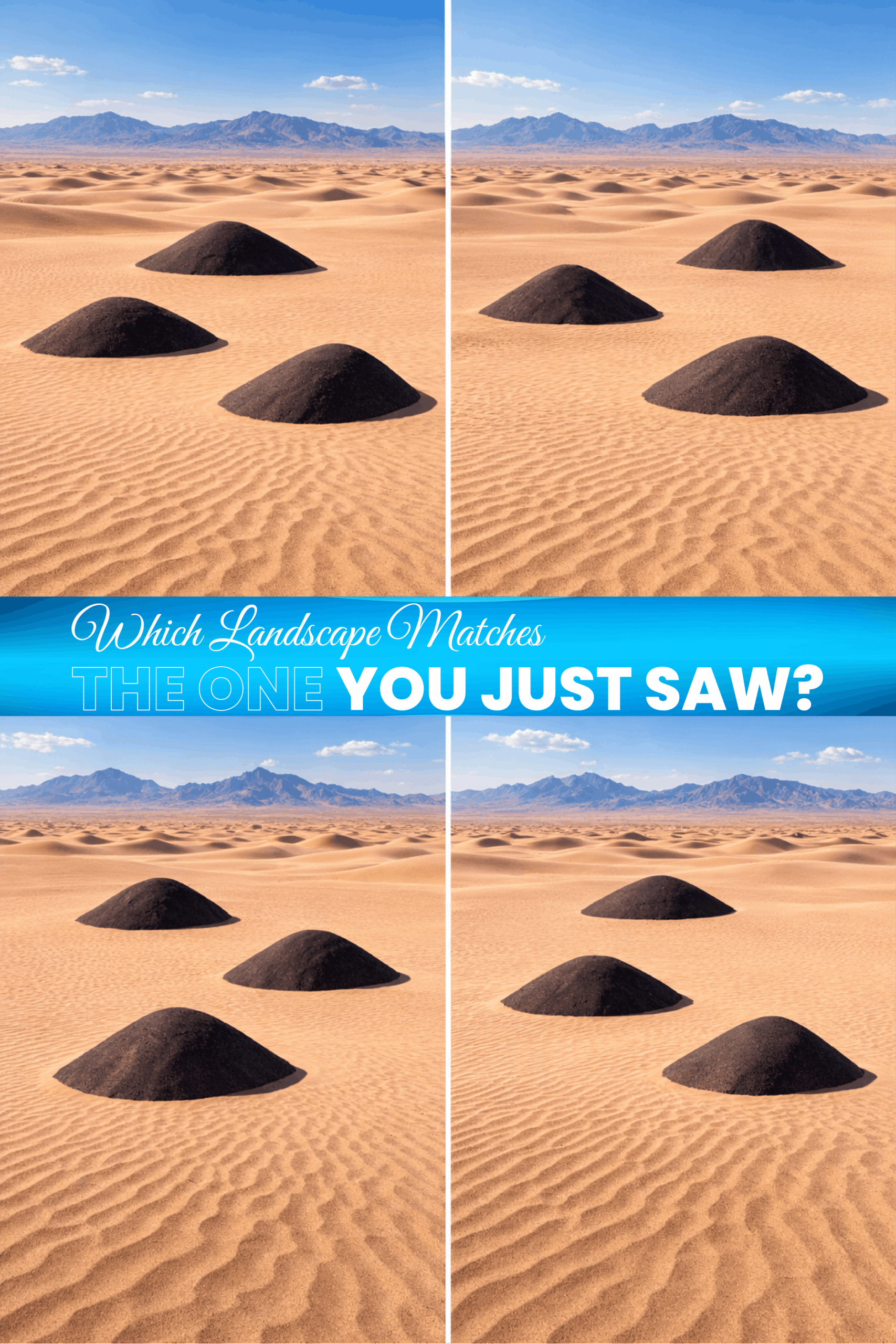
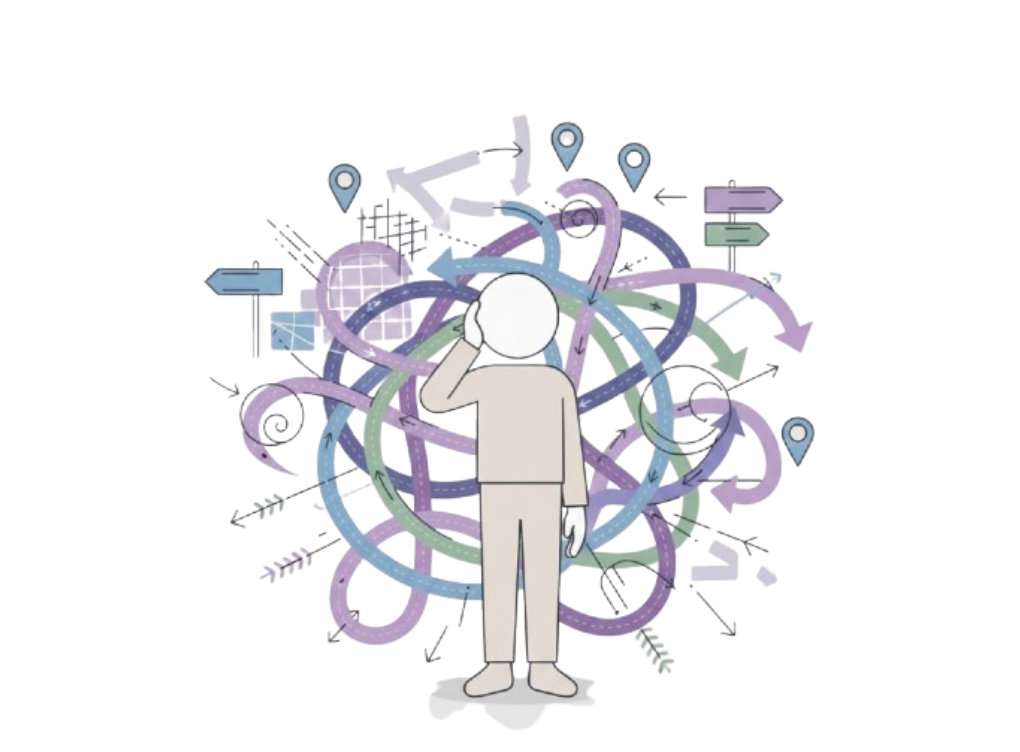
2. Route blindness 🗺️🛣️👀🧠
(Topographical Disorientation)
Difficulty remembering routes 🗺️❓
After multiple turns, places can start to look very similar, making it difficult for me to build a clear mental map of where I am.
Because of this, I often rely on navigation tools, landmarks, or reference photos to find my way.
🧭 Interesting Facts:
Research on spatial navigation suggests that around 3–5% of people may have significant difficulties with spatial orientation or building mental maps of environments.
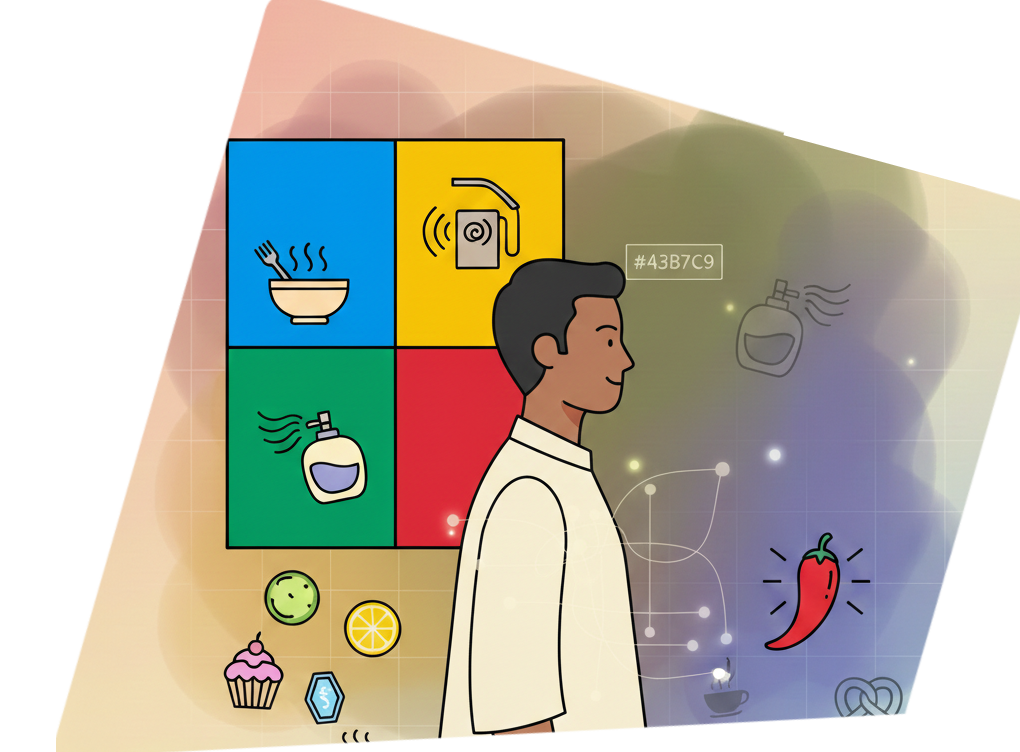
3.Colour, Smell & Taste Blindness
🎨👃👅
(🧠 Reduced sensory recognition)
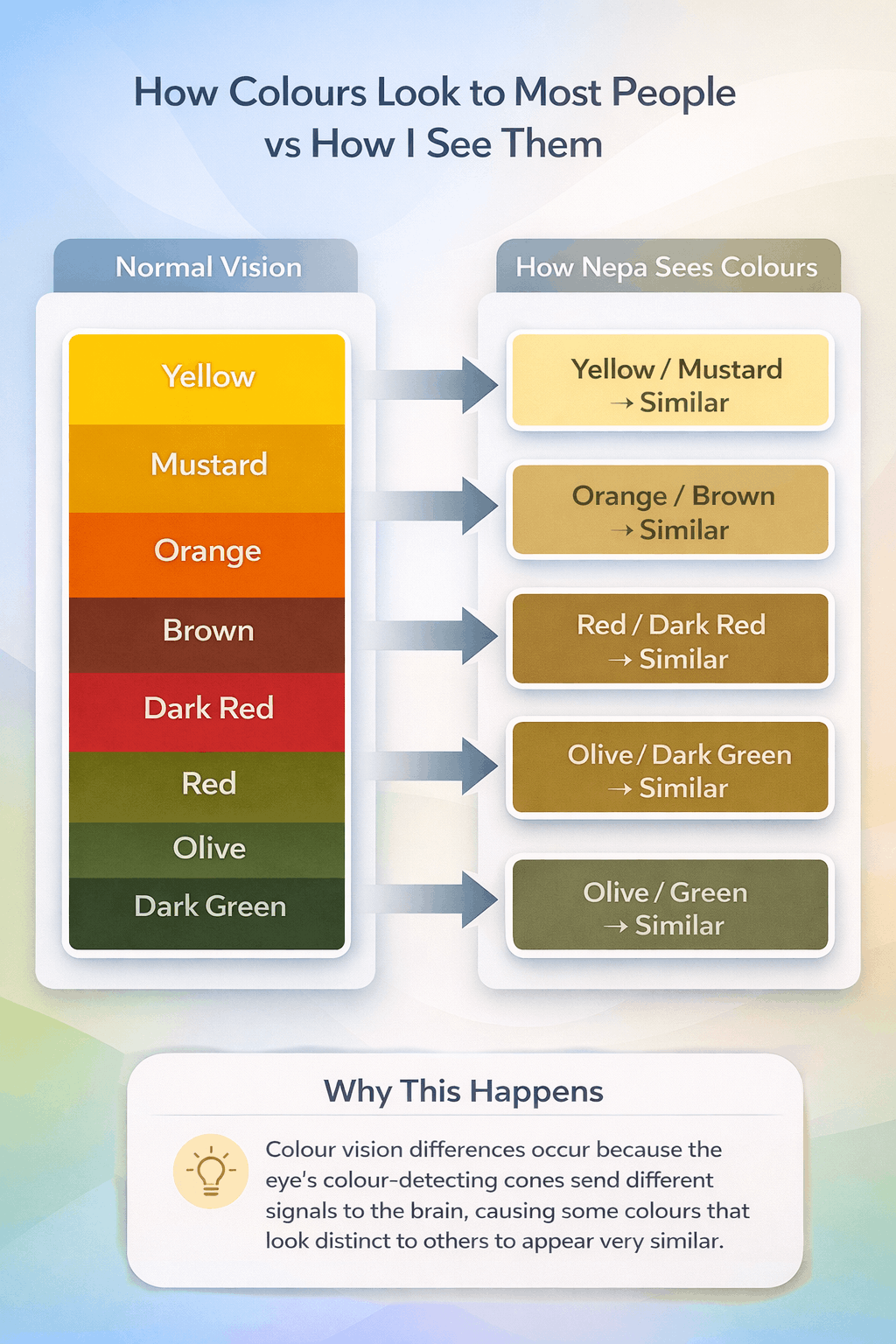
🎨 Colours
Some colours look very similar to me.
Red–green shades and darker colours like brown can be difficult to distinguish.
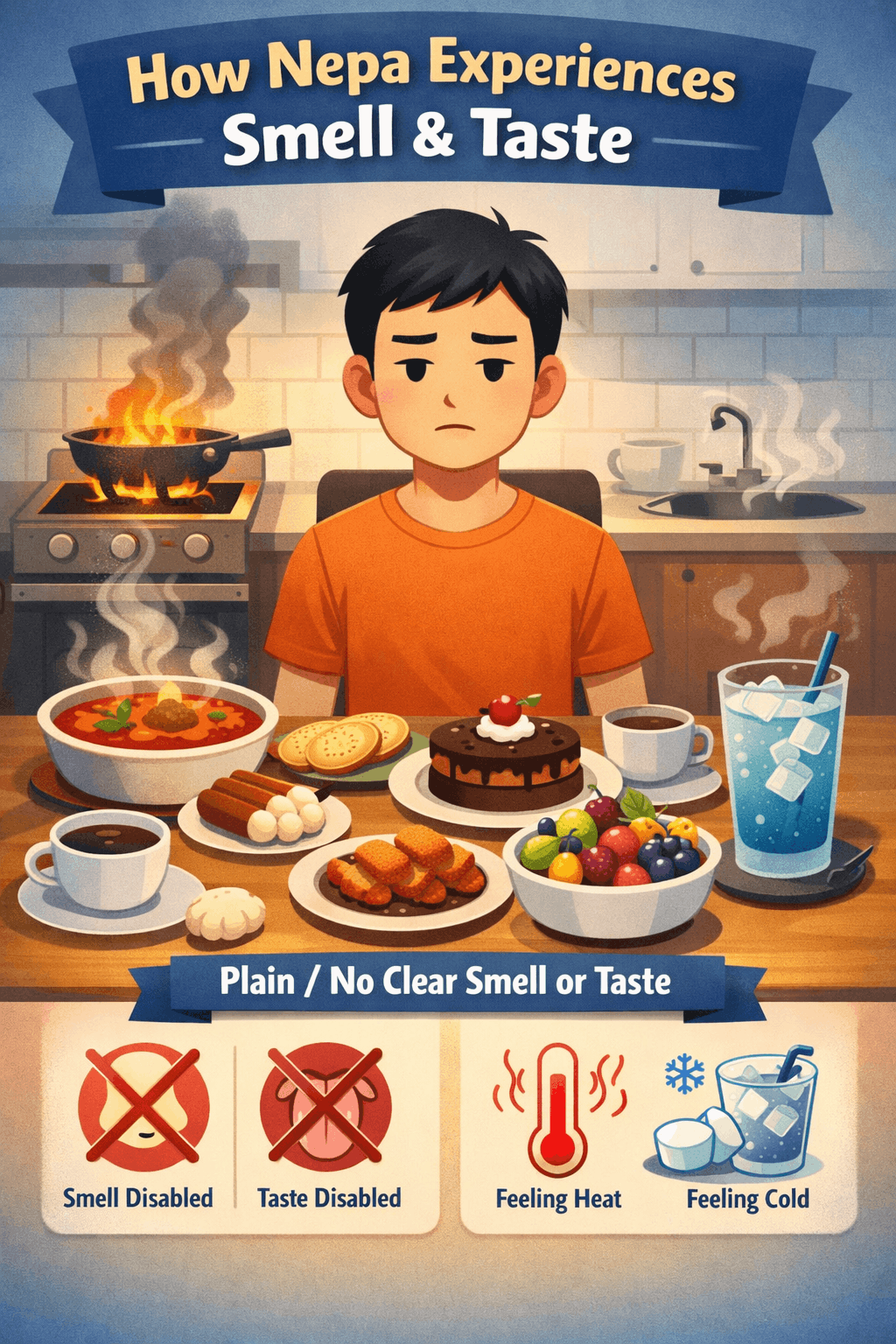
👃 Smell
I usually cannot recognize smells at all, even when they are strong.
👅 Taste
Most foods taste very similar or plain to me.
The only strong sensation I clearly notice is spiciness.
(Spiciness is actually a heat sensation, not a taste.)
📊 Interesting Facts
• Around 8% of men worldwide have some form of colour-vision deficiency.
• up to 15% of adults may experience some kind of smell or taste problem

4. Memory Loss & Confusion 🧠💭
Sometimes memories feel unclear or incomplete.
Because my brain struggles with recognising faces 👤 and remembering places 🗺️, some information may not be stored clearly at the beginning.
This can lead to:
• Difficulty recalling certain events
• Memories with missing details
• Confusion connecting people, places, and moments
📊 Interesting Facts
• Memory works in three stages: Encoding → Storage → Retrieval.
• If encoding is affected (like difficulty recognising faces or places), it can also affect memory recall later.
• Often the memory still exists, but the brain may struggle to retrieve it quickly or clearly.
Around ~0.1% – 0.3% of people worldwide have some form of Both face recognition and navigation difficulties can occur together
The memory isn’t always gone.
Sometimes it’s just harder for my brain to find it again.
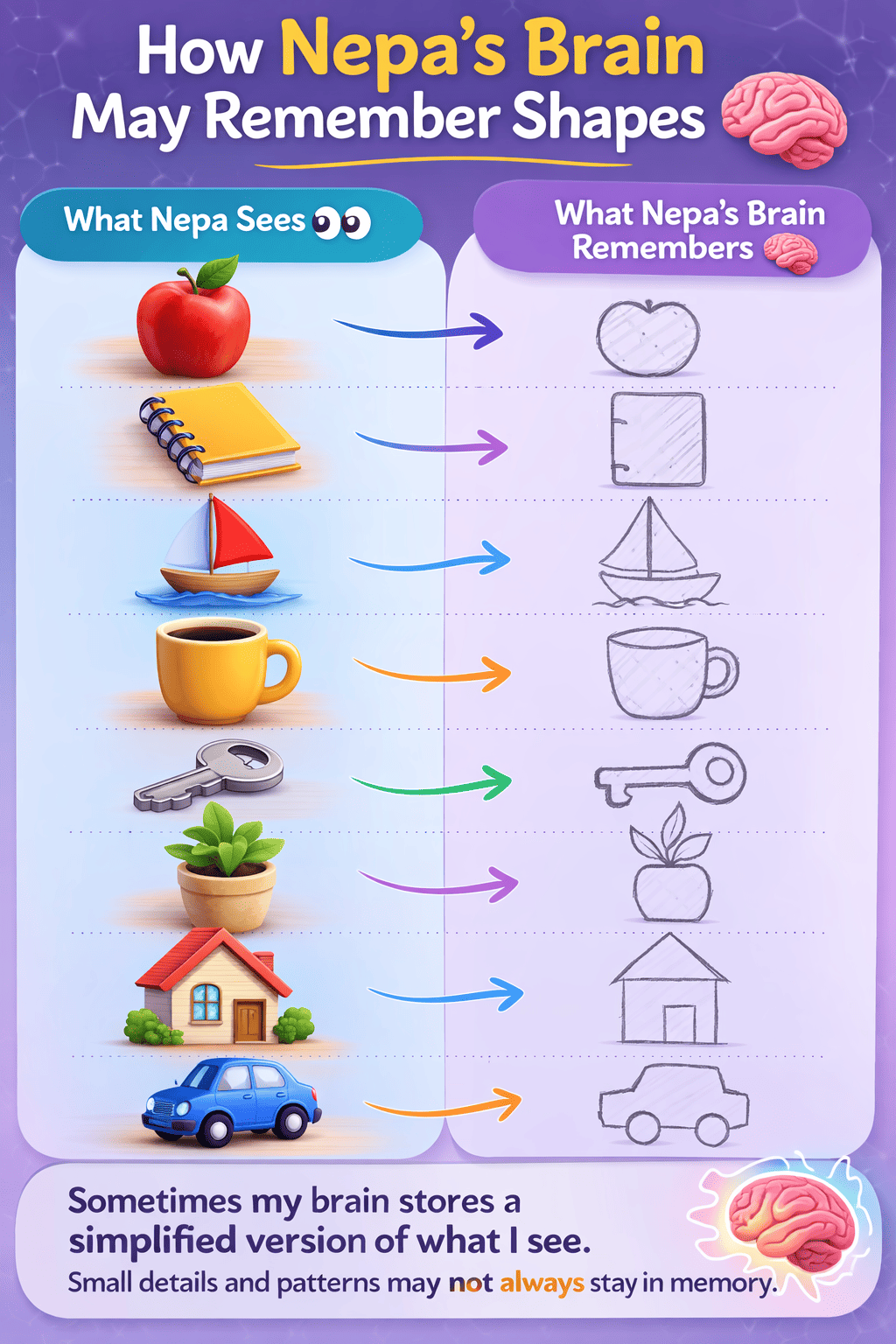
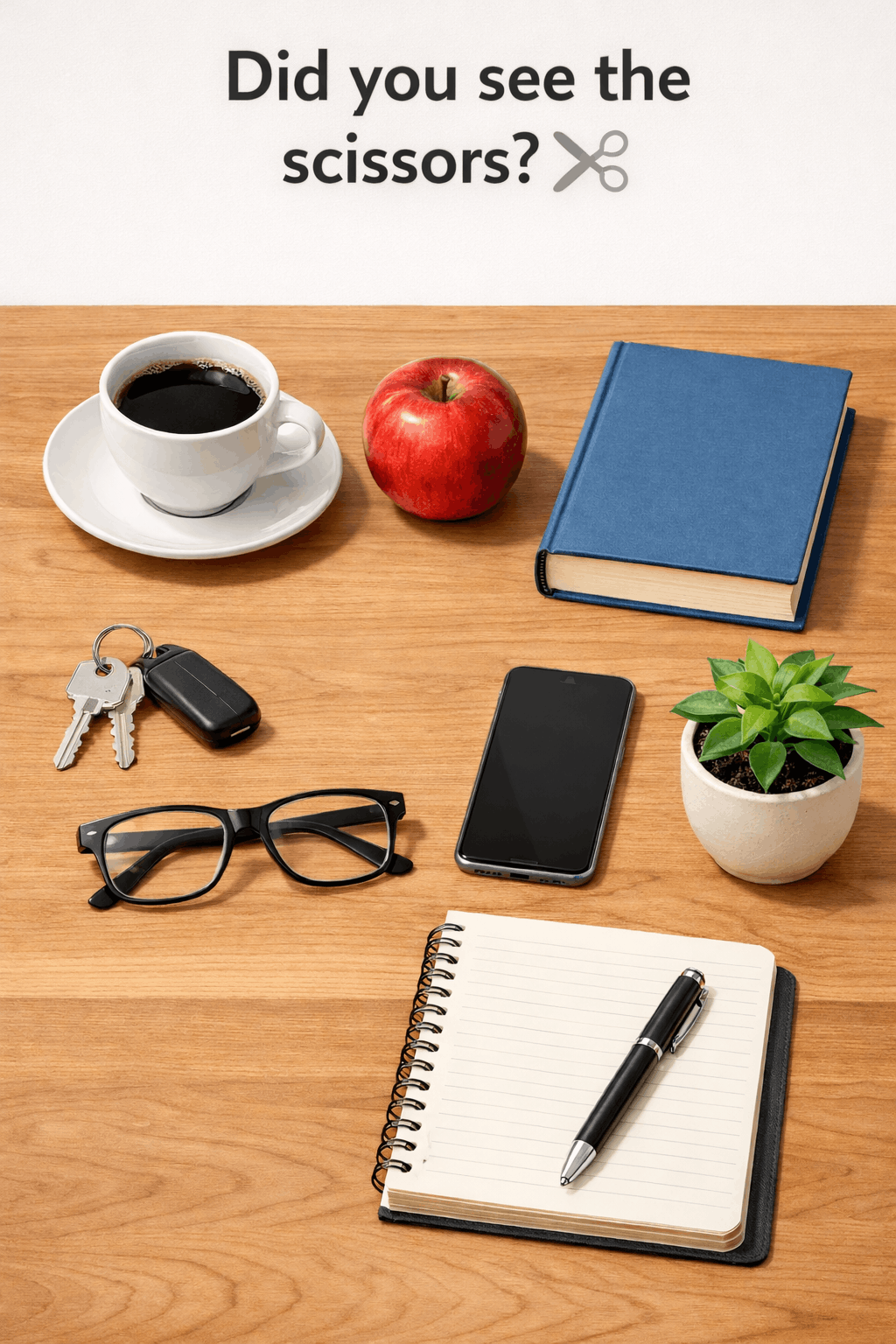
5. Shape & Pattern blindness 👀🧠
Sometimes my brain can see objects clearly 👀, but when storing them in memory, it may simplify their shapes or structure 🧠.
Small visual details and patterns may not always stay the same in memory 🔍. Because of this, objects or structures I saw earlier might feel simplified, slightly different, or harder to recall exactly.
Interesting Facts 🧠✨
• 🧠 The brain normally processes shapes using the visual cortex, which helps recognize patterns, objects, and structures.
• 🔍 When this processing is affected, the brain may store simplified versions of objects instead of full visual details.
• 🧩 Because of this, remem patterns, structures, or complex shapes can sometimes be harder than for most people.
How Common Is This? 📊
• 🌍 Difficulties related to visual shape and object processing are very rare.
• 📉 Research suggests these kinds of visual processing conditions affect less than 1% of the population.
• 🧠 They can sometimes occur after brain injury, stroke, infections, or neurological conditions that affect visual processing areas of the brain.
The eyes may see the full object clearly —
but the brain might remember only the essential shape
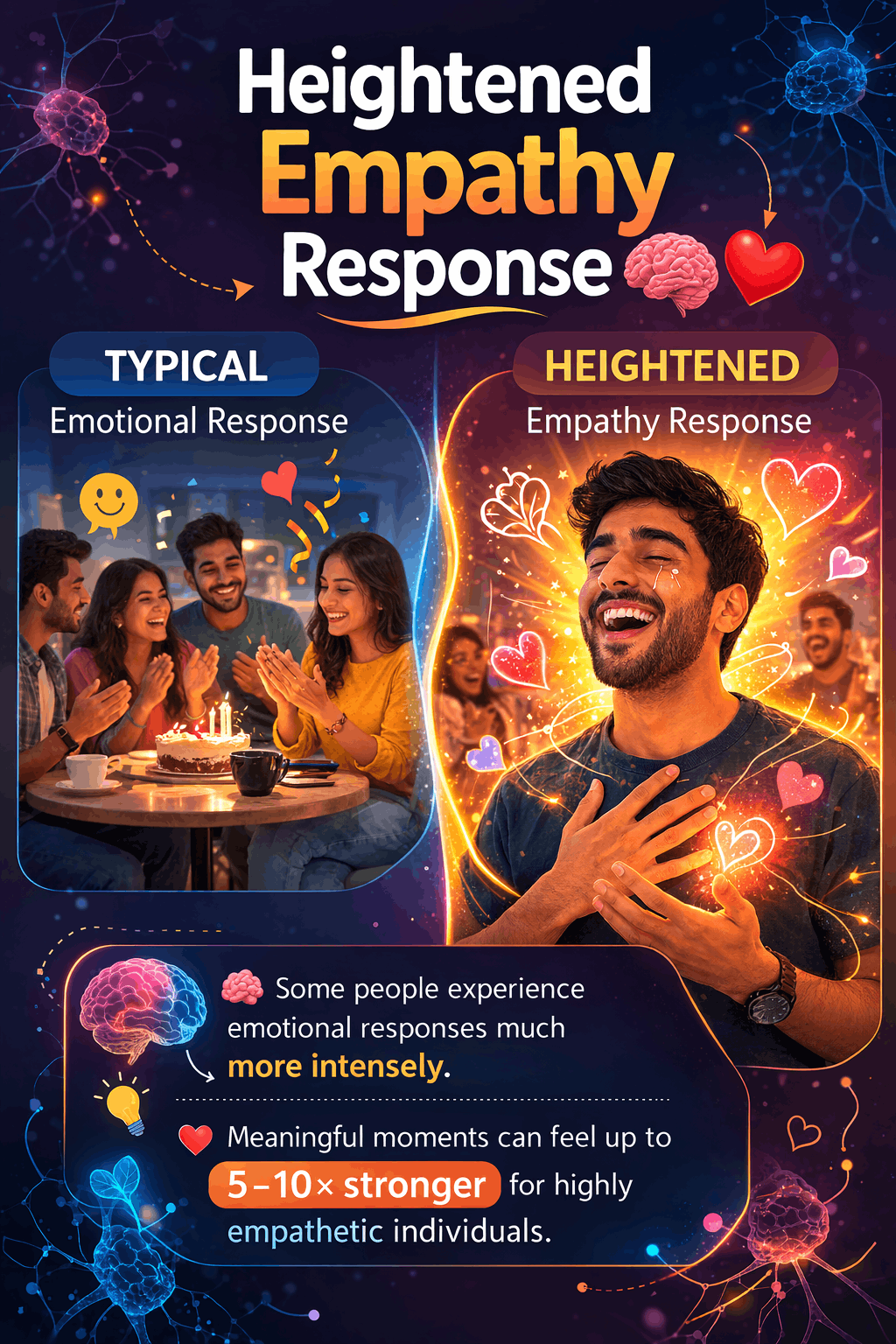
6.Deep Emotional Sensitivity
(🧠 Heightened Empathy Response )
After my brain fever, my emotional responses became much stronger than before.
I often feel deep empathy for people around me, especially family members, close friends, and people I know well.
Even if I don’t always show it outside, inside I may feel very strong emotions.
Because of this:
• 🎬 Emotional movie scenes or powerful music can give me goosebumps or tears.
• 🤝 When someone close to me is hurt or struggling, I may feel deeply affected inside.
• 🎉 Happy moments of my family, friends, or loved ones can make me feel proud and joyful for many days.
• 🧠 Very intense emotional situations can sometimes make my brain feel emotionally tired.
🧠 Why Emotions Feel Stronger for Me
My brain does not process some senses strongly — such as smell, taste, and recognizing new faces.
Because of this, my brain may rely more to emotional signals of people and situations.
As a result, emotions can sometimes feel deeper and more powerful for me.
🌟 Positive Side
This emotional sensitivity also helps me care deeply about people around me.
I enjoy making people happy by creating funny edits, memes, and small creative content.
Seeing others smile gives me a lot of happiness.
📊 Interesting Facts
• 🧠 Empathy is linked to brain areas such as the amygdala and mirror neuron system, which help us understand and feel other people's emotions.
• 🎵 Some people naturally experience strong emotional reactions to music, movies, and meaningful life events.
• 🧠 Sometimes after brain infections or neurological events, the brain’s emotional processing can become more sensitive.
🩺 What Doctors Told:
🌱 A Positive Sign
Even if these conditions are rare, in a country with over a billion people, there may still be hundreds or thousands of individuals facing similar neurological challenges.
But every recovery journey is different.
During my hospital visits, They showed me other cases. One young girl around 18 years old had a similar brain condition but struggled to recover many abilities.
Another doctor mentioned a person working at Google who had a similar neurological issue but later lost many memories about his work and family.
Because of that, Doctor says my recovery was a very positive sign — I still retained strong core memories about my family, friends, and life.
They explained that my young age, supportive friends and family, and positive mindset helped my brain recover better than expected.
🎨 Colour Vision Check
When I visited a specialist to test my colour vision, the doctor initially asked:
“Do you have any neurological problems?”
After reviewing my medical files, the doctor was surprised and said that usually even one neurological report can make prescribing colour-blindness glasses difficult, but I had many detailed reports related to my brain condition.
🧠 A Rare Combination
A Psychiatrist mentioned that in over 30 years of medical experience, he had rarely seen so many different visual and cognitive processing challenges appearing together in one person.
"That made me realize how unusual my situation was.