
Nepa’s Reality
My Challenges
(What I live with after brain fever)
What people usually see is my behaviour.
What they don’t see is what my brain struggles to do.
They are not visible, not obvious, and not fully understood by most people.
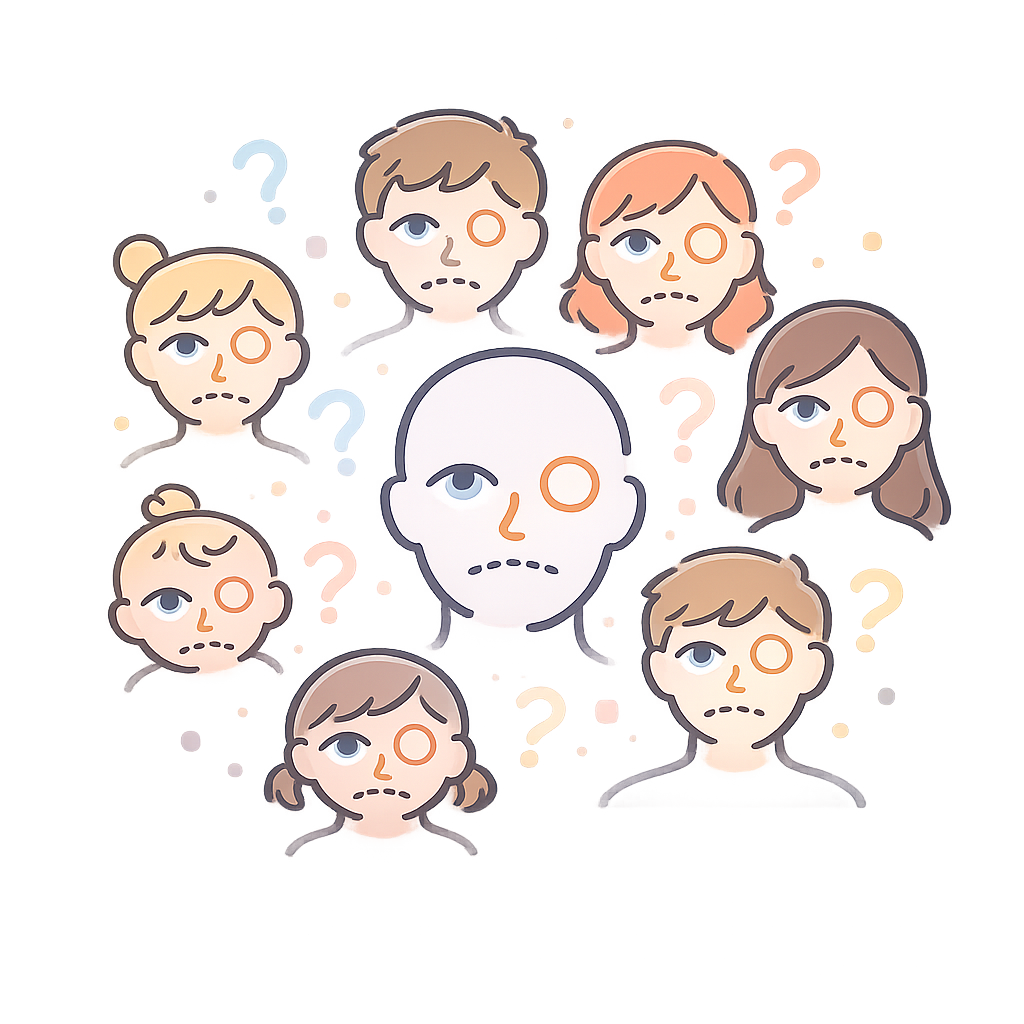
1. Face blindness
😊☺👀🧠
I struggle to recognise people I have already met 😕.
Sometimes, I don’t recognise relatives or known people 🧑🤝🧑❓. Even after multiple meetings, faces may not register properly in my brain 🔁🧍♂️.
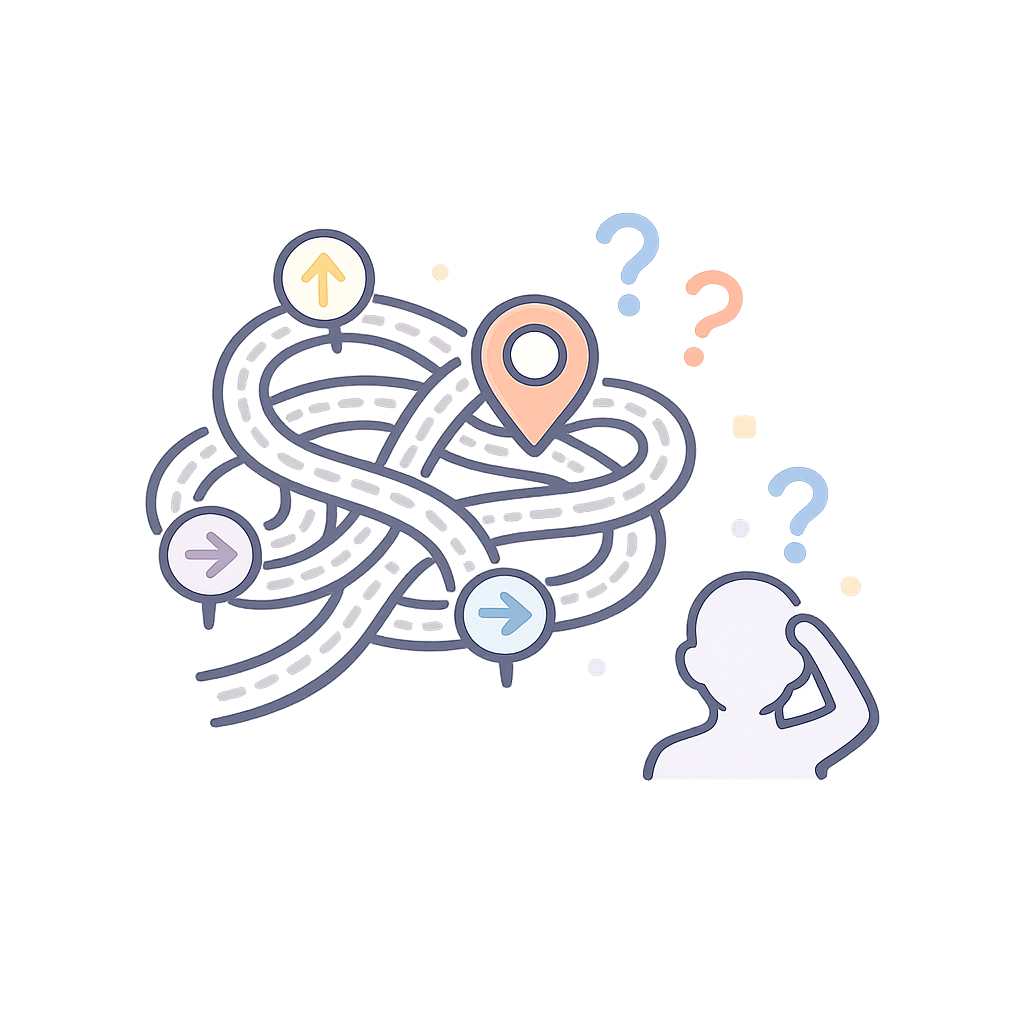
2. Route blindness 🗺️🛣️👀🧠
I struggle to remember routes and directions, even to places I have visited many times 😕.
Roads with multiple turns confuse me easily 🔁🛣️. Without navigation support, I can get lost very quickly, even in familiar areas 📍❓
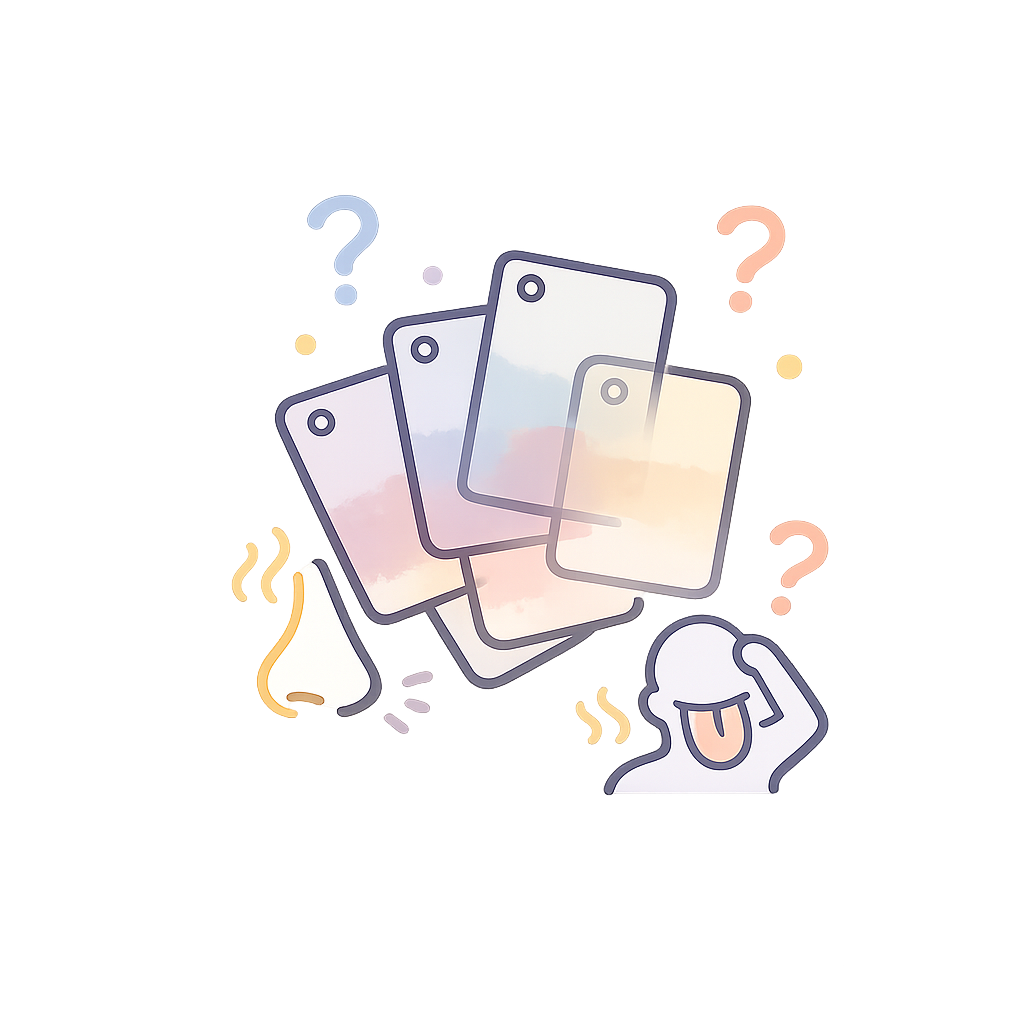
3.Colour, Smell & Taste Blindness
🎨👃👅
I struggle to clearly identify colours, smells, and tastes 😕.
Many colours look similar to me 🎨❓, many foods taste flat or similar 🍽️, and smells that others notice easily may not register in my brain at all 👃⛔.

4. Memory Loss & Confusion 🧠💭
some of my cognitive functions — especially episodic memory (who, what, where, when) and response processing — slowed down or became disorganized.
It’s not about forgetting completely.
It’s about misplacing, confusing, or delaying responses

5. Shape & Pattern blindness 👀🧠
I struggle to remember small shapes, patterns, and designs — especially those on clothes, logos, walls, and creative items.

6.Career Challenges & Reality 💼⚠️
AI is reshaping the creative industry at high speed.
My field faces constant change and pressure to adapt.
I continue learning — but the reality is unpredictable.
About
FaceBlindness
I struggle to recognise people I have already met 😕.
Sometimes, I don’t recognise relatives or known people 🧑🤝🧑❓. Even after multiple meetings, faces may not register properly in my brain 🔁🧍♂️.
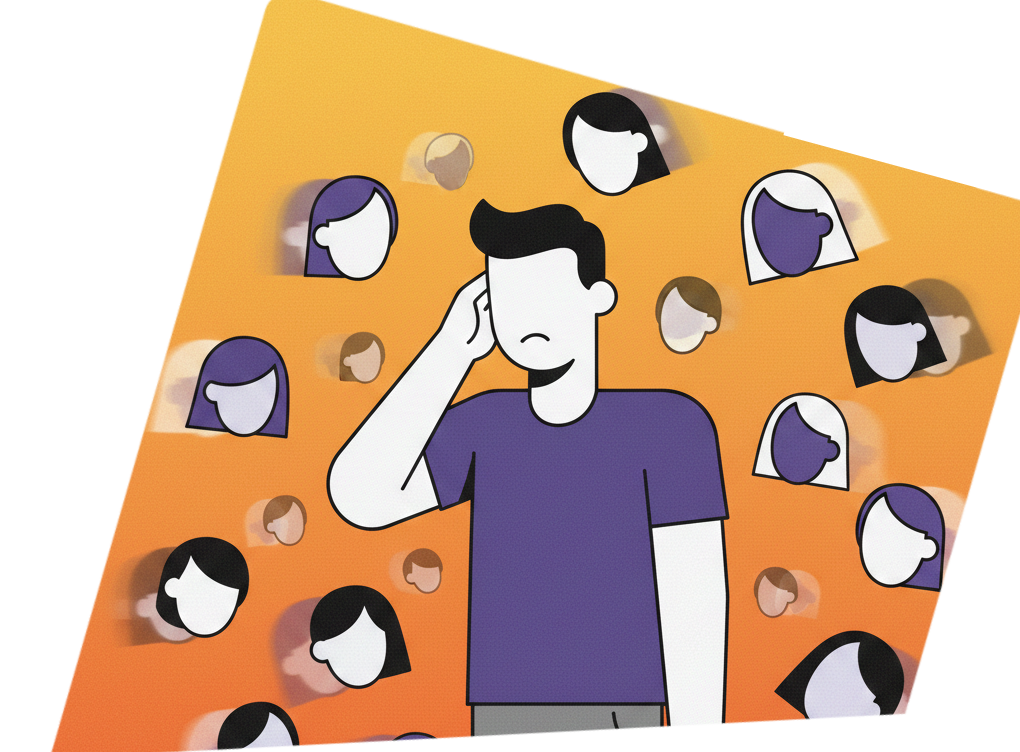
Face blindness means my eyes see people clearly, but my brain fails to identify who they are 🧠. I may see a face, but my brain cannot confidently say, “Yes, this is the same person I met before.”
This is not forgetfulness. This is a neurological limitation.
Because of this, people think I am ignoring them intentionally 🚶♂️➡️😔, people feel hurt or insulted without knowing the reason 💔, and social situations become mentally stressful for me 😣📍.
The heart remembers people.
The brain fails to recognise faces.
Real Life Situations:
Face Blindness – In Simple Words
Imagine standing among 20 goats of the same colour 🐐🐐🐐🐐🐐
Someone points to one goat and says,
“Remember this one.”
After a few minutes, you are asked to find the same goat again.
All goats look similar 👀
No clear mark ❌
No difference ⚠️
You feel confused 😕
You hesitate 🤔
You are unsure ⏳
That confusion is face blindness.
What Changes Recognition
Now imagine that goat has:
-
a scar ✂️
-
a bent horn 🌀
-
a limp 🦵
Suddenly, recognition becomes easy ✅
This is how my brain works.
It cannot rely on faces.
It depends on differences and patterns.
How Face Blindness Works
With face blindness, the brain:
-
does not store faces properly 🧠
-
cannot separate similar-looking people
-
fails to match face with identity
So when people have:
-
similar age
-
similar build
-
similar hairstyle
The brain goes blank ⛔
How I Cope
Since faces are unreliable, my brain uses:
-
voice 🎤
-
way of speaking
-
behaviour
-
body language
So instead of remembering:
“This is Parmikash”
The brain remembers:
“The person who speaks fast and laughs loudly.”
This is adaptation, not choice.
The Hidden Problem
Behaviour changes 🔄
Context changes 🌍
Appearance changes ✂️
Recognition can fail again.
And people think:
-
attitude
-
arrogance
-
disrespect
But the truth is neurological limitation 🧠
Why This Matters
Face blindness is invisible 🚫👁️
People see the reaction — not the struggle.
The following real-life incidents show how face blindness has caused serious social and emotional damage in my life. ⬇ ⬇️
The Hidden Problem I Live With
Face blindness does not stop at confusion.
It creates constant fear of making mistakes.
Every social interaction carries risk:
-
One wrong assumption
-
One missed recognition
-
One misunderstood reaction
And the damage happens before I even realise it.
Over time, this leads to:
-
social withdrawal
-
mental exhaustion
-
fear of gatherings
-
guilt for things I never intended
This is not overthinking.
This is self-protection.
If I Get Married With Face Blindness
Marriage is not just about two people.
It involves:
-
families
-
relatives
-
social functions
-
expectations
-
daily interactions
With face blindness:
-
I may repeatedly fail to recognise people
-
I may unintentionally insult or hurt others
-
My partner may constantly have to explain my behaviour
-
Small mistakes may turn into permanent relationship damage
-
Continuous pressure can worsen my condition
Even if my intentions are good,
the damage will still happen.
This makes marriage unsafe for everyone involved, not just me.
If I Stay Single
When I stay single:
-
I can set boundaries
-
I can limit social exposure
-
I can recover mentally after mistakes
-
The impact of errors stays mostly with me
Single life is already demanding, but it is manageable.
Marriage removes these controls
and multiplies the risk.
Choosing to stay single is not avoidance.
It is a responsible decision based on reality.
Pellentesque in ipsum id orci porta dapibus?
Vestibulum ac diam sit amet quam vehicula elementum sed sit amet dui. Vestibulum ante ipsum primis in faucibus orci luctus et ultrices posuere cubilia Curae; Donec velit neq
Real Life Situations:
Parmikash
Parmikash was a smart, sweet little boy – studying in 7th.
He spent his annual holidays with me.
We were very very close 🤍
Movies. Outings. Laughter. Memories.
He promised he would visit me every year.
Then one day, at Sarath Anna’s rented house,
a little boy ran towards me with excitement 🏃♂️✨
Because of my face blindness and behavior confusion,
I misjudged him completely.
I thought he was a mentally challenged child.
I walked away.
Days later, I found out the truth.
That boy was Parmikash. Grown up. Happy. Waiting for my love.
I gave him 0% of the love he came running for.
And I didn’t even know.
From that day, he never spoke to me the same way.
I never explained my condition.
I never corrected the misunderstanding.
And now, I live with the weight of that silence.
Not because I didn’t care.
But because my brain failed me. 🧠💔
This is what face blindness really does.
It doesn’t just confuse faces.
It breaks invisible bonds.
Lift I Couldn’t Acknowledge
One evening, while returning from work to my home town, a woman asked me for a lift. I gave it.
She knew my name. She spoke casually. She even called her husband and said,
“Don’t come, Magesh is on the way, he will drop me home.”
Inside my head, there was only one question:
“Who is this woman?”
I did not recognise her. Not even slightly.
I was terrified to ask. I pretended to get a phone call and told her I had to go in the opposite direction. I dropped her midway and left.
And then I had to escape my own street, hoping not to run into her again.
Imagine the risk:
A person from your own town, speaking your name with confidence… and you have no idea who they are.
Old Lady at the Bus Stand
One day, I was standing near the bus stand. An elderly woman smiled at me. I didn’t recognise her. I walked away.
A few days later, that same lady came to my house. In front of my mother, she said:
“Why didn’t you give me a lift? Don’t you have pity? How will an old woman go home?”
I was cornered. I had no explanation. I lied:
“That day I wasn’t wearing spectacles, so I didn’t see you clearly.”
Only then she softened.
But the truth is:
I saw her. I just didn’t know who she was.
This is how face blindness creates social damage without intention.
The Temple Incident
Once, Sarath Anna and I went to Erode and stayed at an aunty’s house.
She took care of us the whole day — like her own sons.
The next morning, we went to a hospital. Later, an uncle suggested going to a temple.
At the temple, a woman was doing pooja sincerely. No one gave her money.
I felt bad. I took ₹20 to give her.
Just then, Sarath Anna said:
“Here aunty, this is the house key.”
That was the moment I realised:
That pooja lady was the same aunty who took care of us.
If I had given that ₹20, I would have unknowingly insulted her.
Sarath Anna mocked me:
“₹20 for her? She treated you like her son and you saw her as a pooja girl.”
That one second exposed how dangerous face blindness can be.
It can turn respect into disrespect without you knowing.
The Uncle Mix-up
There is an uncle who used to visit our house two or three times a week. Recently, he stopped coming.
One day, another uncle came. I was about to say:
“Anna, your face is fading in my mind, why don’t you come like before, weekly two or three times?”
Just then, my mom said his name.
Only then I realised:
This was a completely different uncle.
If I had spoken that sentence, it would have been a disaster.
This uncle is not close. He is dangerous by nature. It would have created unnecessary problems.
This is the daily risk I live with:
One wrong recognition = one major problem.
These incidents are only a few examples from many similar situations I face regularly. Face blindness doesn’t appear once in a while—it quietly affects everyday public moments. When someone approaches with confidence, uses my name, or smiles as if we already share a history, my mind can suddenly go blank. The discomfort is not visible, but it is always there.
Imagine the risk: a person from your own town speaks to you confidently, knows your name, and trusts you—but you have no idea who they are. Imagine responding wrongly: being distant with someone close, or familiar with someone you barely know. One small reaction can change how an entire relationship feels.
Because of this, public situations often feel uncomfortable. Standing at a bus stop, giving a lift, attending functions, visiting temples, or even being at home—any normal moment can turn stressful without warning. Sometimes recognition comes late. Sometimes it never comes. And sometimes it comes only after the damage is already done.
To manage this, I rely less on faces and more on behaviour, voice, tone, body language, and context. I stay cautious, avoid assumptions, and keep my responses neutral when I am unsure. This constant mental checking helps—but it is tiring. It makes simple interactions require extra effort.
How would you feel if someone spoke to you confidently, shared stories, trusted you—and you had no idea who they were?
How would you react if this didn’t happen once, but happened repeatedly, in public, with no warning?
This is the reality I face every day. When recognition fails, it is not a lack of care or respect—it is a neurological limitation.
The empathy remains, even when the face does not.
This is how I run my life—moving carefully through ordinary moments, constantly alert, managing confusion silently, afraid of unintentionally hurting people, and choosing not to explain my condition every time.